Pants Division
Overview
The core of the Pants Division is to reduce the inconvenience of conventional zipper structures while improving wearer dignity, convenience, and design differentiation.
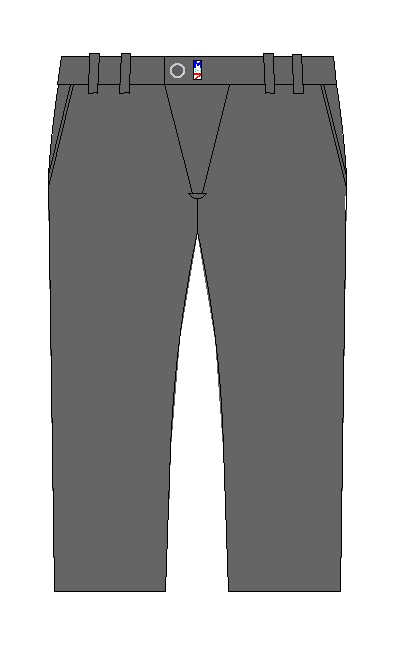
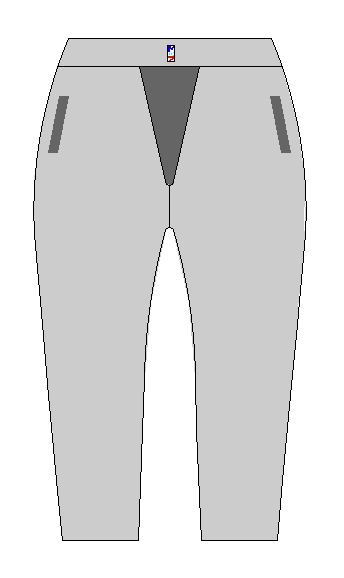
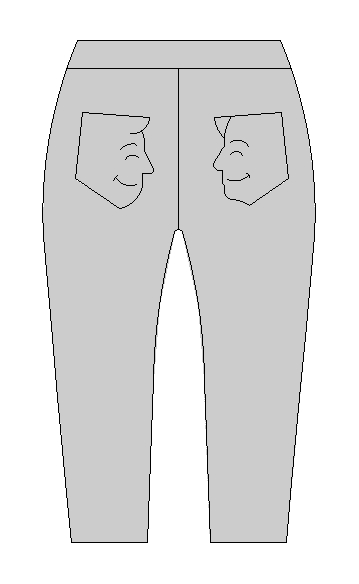
The Mask of the Zipper
The limitations of zippers are not merely a parts problem, but a matter of wearer experience and clothing structure.
- The zipper has long been regarded as a symbol of convenience and civilization.
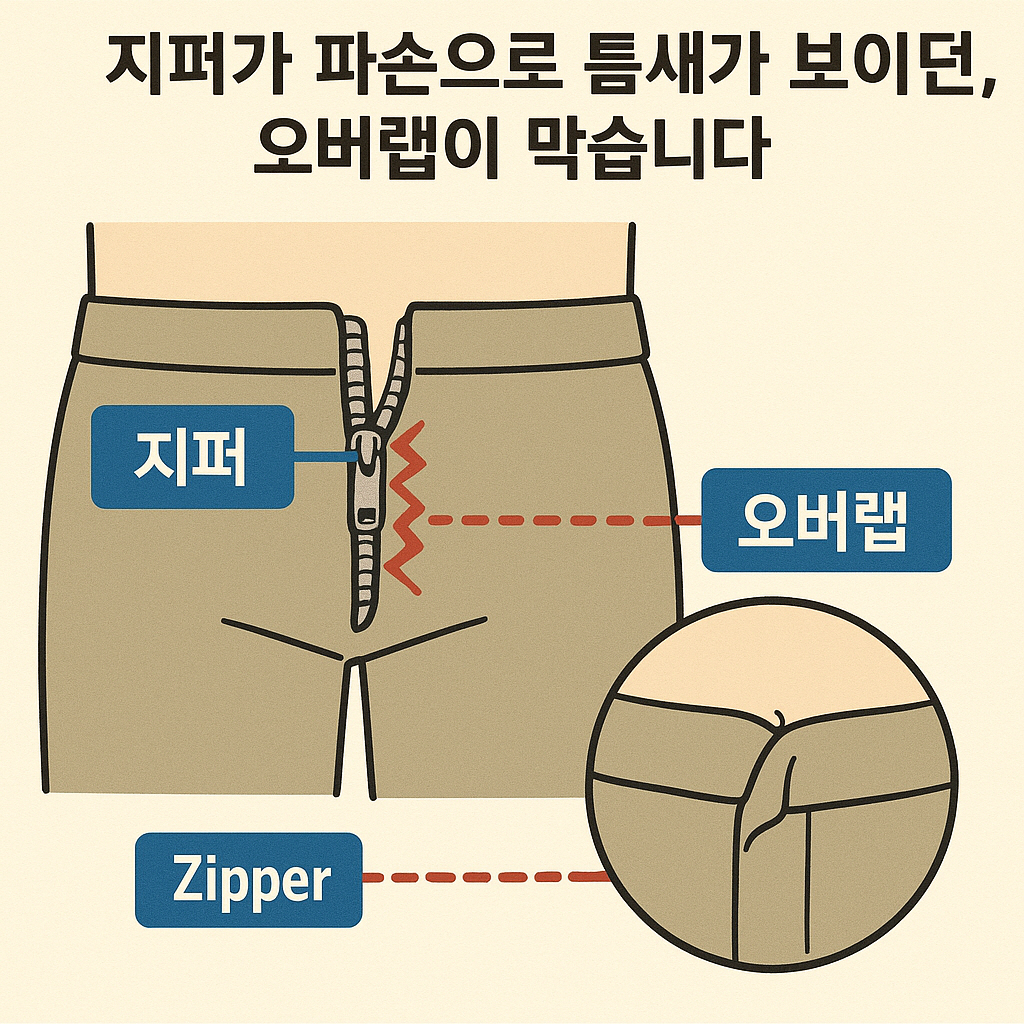
- Behind that familiarity, however, there are structural inconveniences such as fly gaping, breakage, jamming, and exterior exposure.
- Modern fashion has evolved toward emphasizing body lines, but conventional zipper structures have not adequately responded to this change.
- MaZip views this not as a simple decorative issue, but as a structural issue that must consider both human dignity and wearing stability.
Coupling MaZip Unit and Overlap Structure
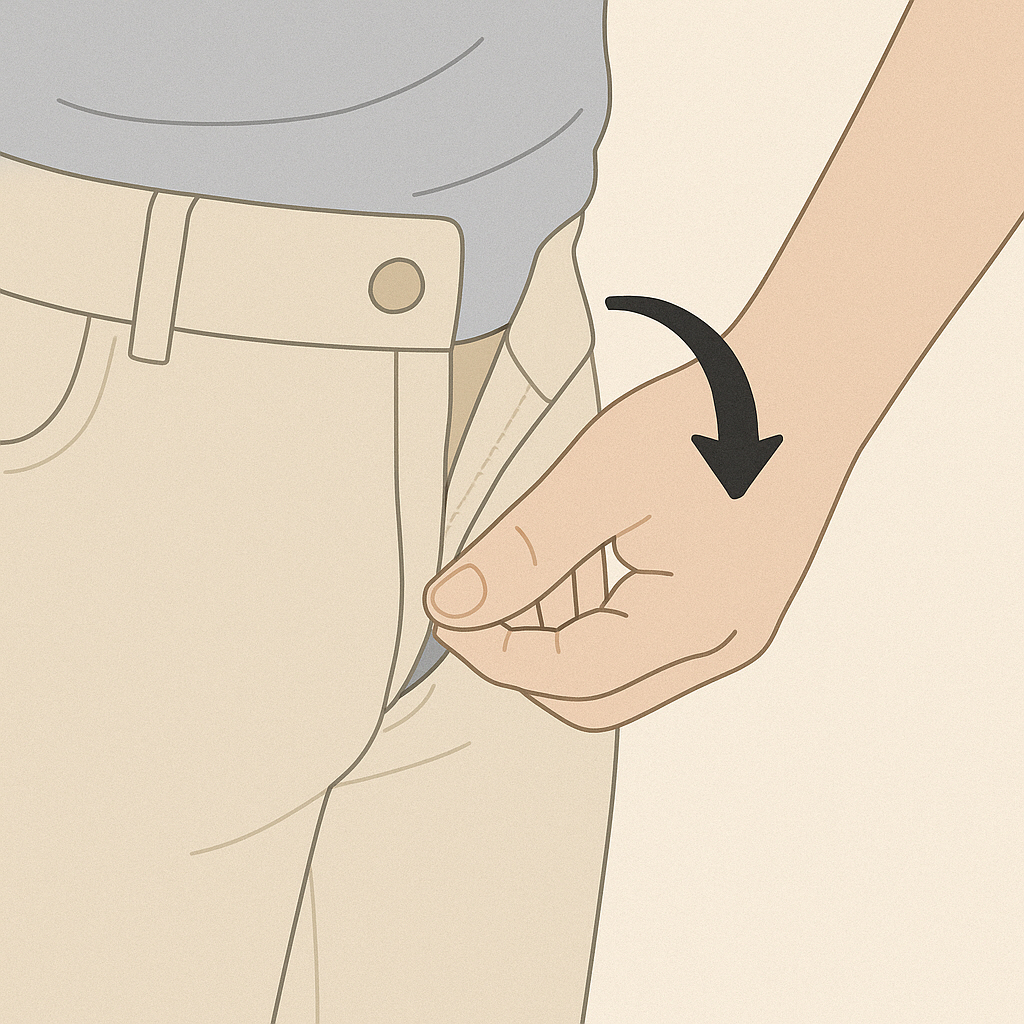
MaZip improves both the function and appearance of the pants front through coupling MaZip Units and a symmetrical overlap structure.
Coupling MaZip Unit
Aims for faster and simpler closure than buttons or zippers, improving one-handed use and repeated opening and closing.
Overlap Structure
Organizes the front fly as a symmetrical or overlapping structure to reduce central exposure and provide a stable appearance.
Emotional Design
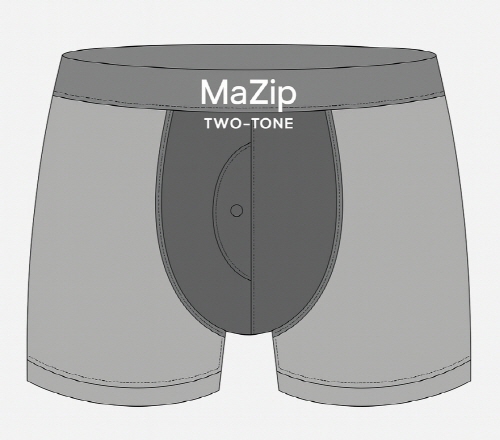
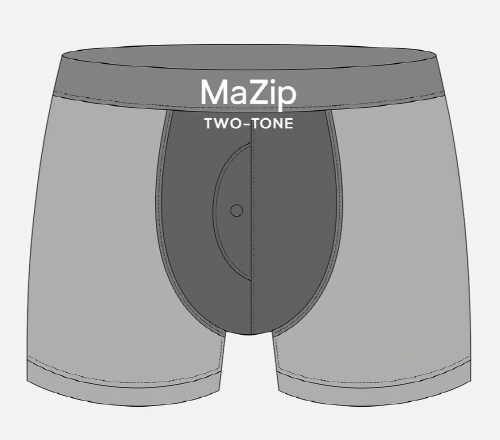
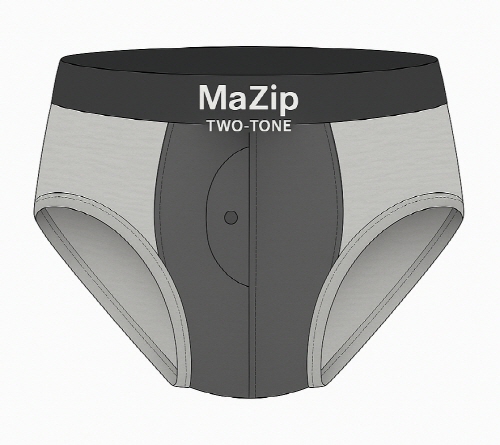
Combines Emo Pocket, two-tone composition, and related elements to create functionality and unique design identity.
Core Product Group
Application Categories
| Category | Application Direction | Core Effect |
|---|---|---|
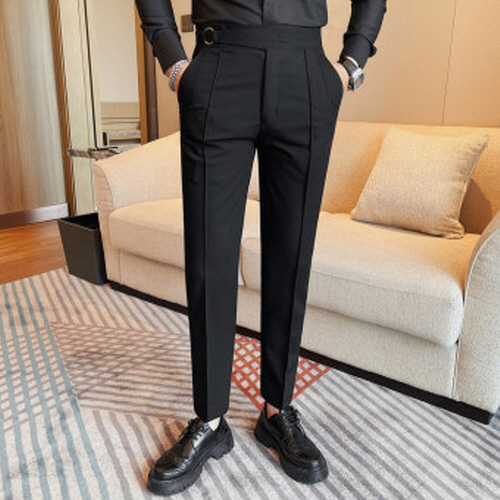
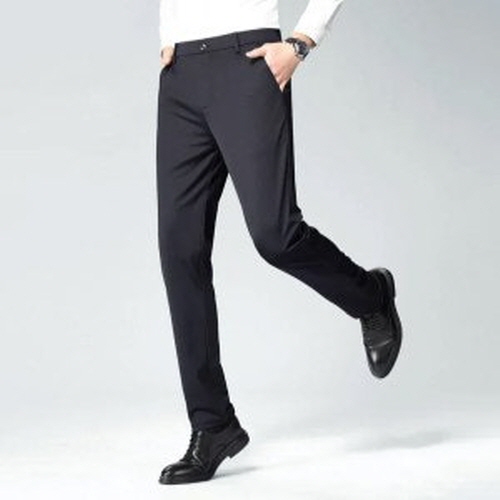
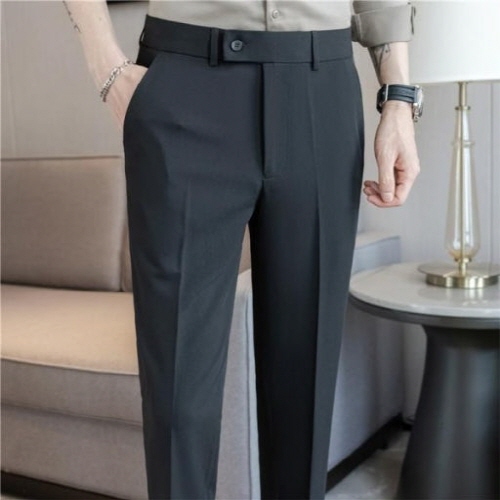
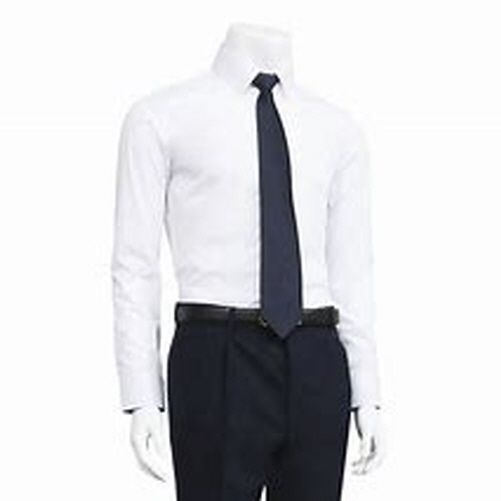
| Formal Wear | Front-fly organization and appearance improvement for slacks and formal pants | Dignity, neatness, wearing stability |
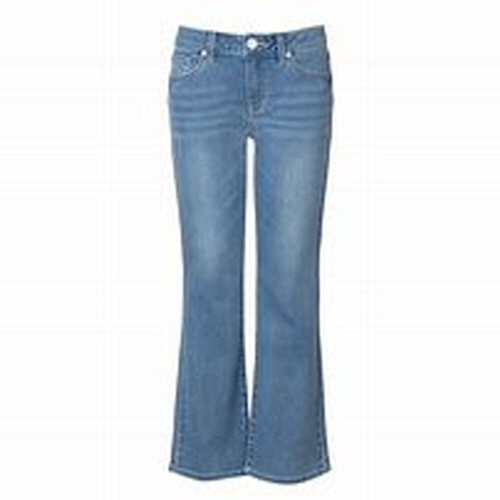
| Jeans | Casual closure that replaces or supplements conventional zipper structures | Differentiation, durability, convenience |
| Workwear | Application in work environments requiring repeated opening and closing and quick wear | Efficiency, durability, repair convenience |
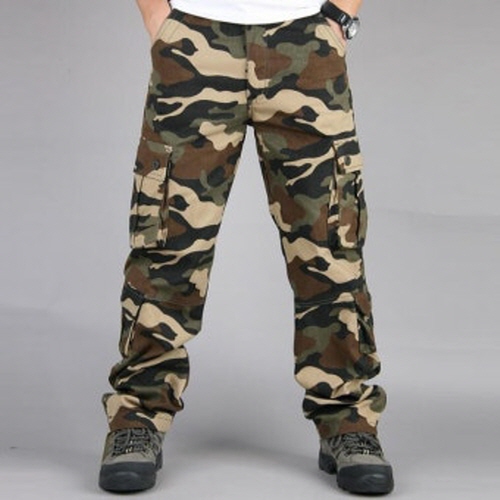
| Uniforms | Application to standardized clothing such as military uniforms, police uniforms, and group uniforms | Uniformity, manageability, functionality |
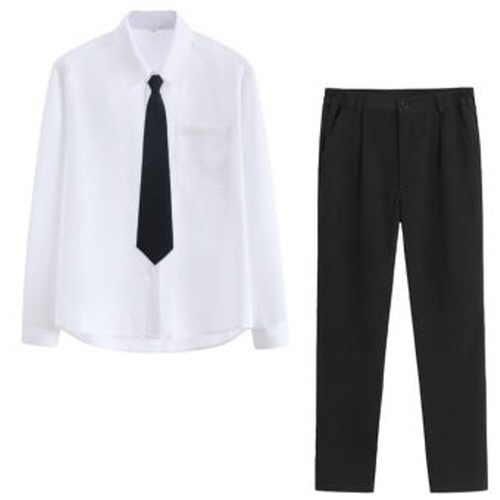
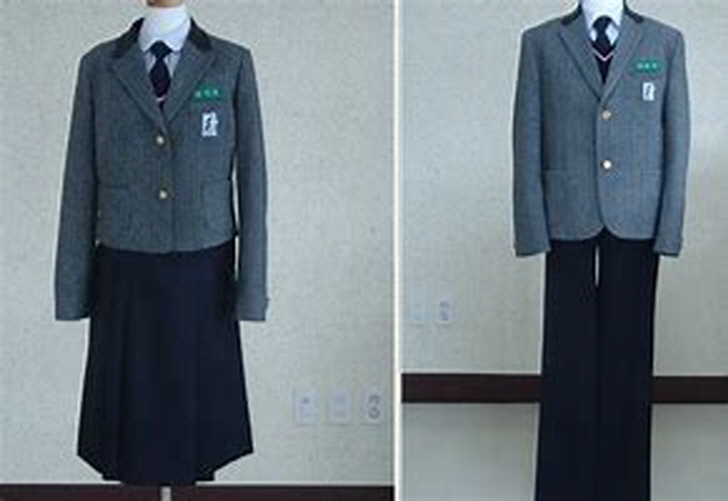
| School and Kids’ Wear | Structure that students and children can easily open and close | Ease of use, safety, protection |
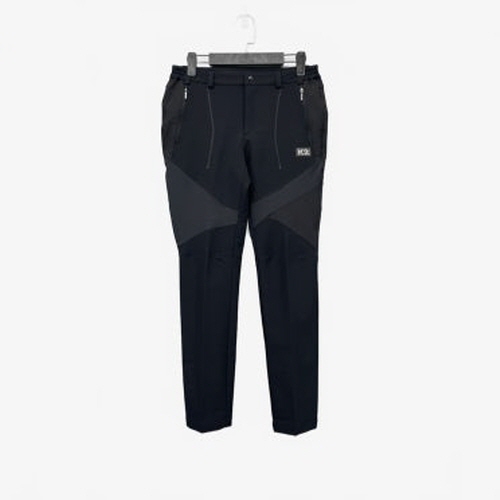
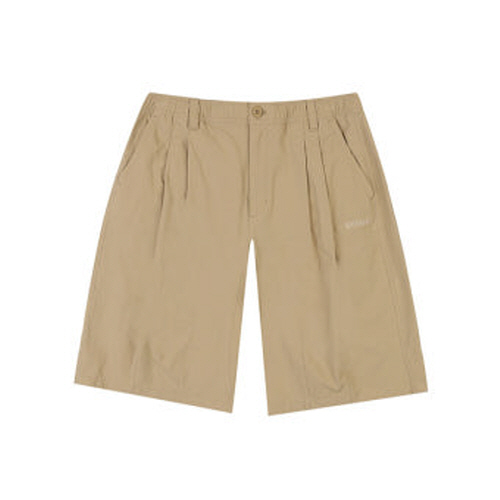
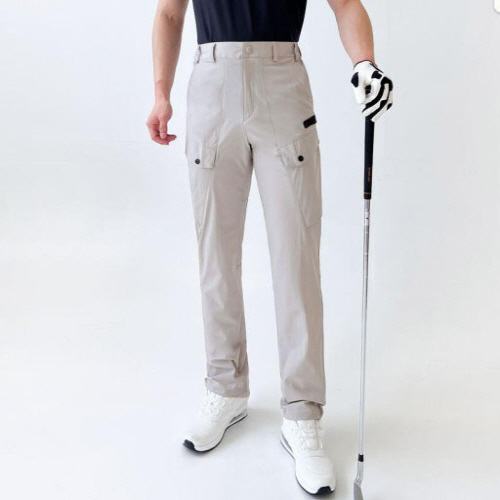
| Outdoor and Sports | Closure and pocket structures that remain stable during activity | Activity, stability, functionality |
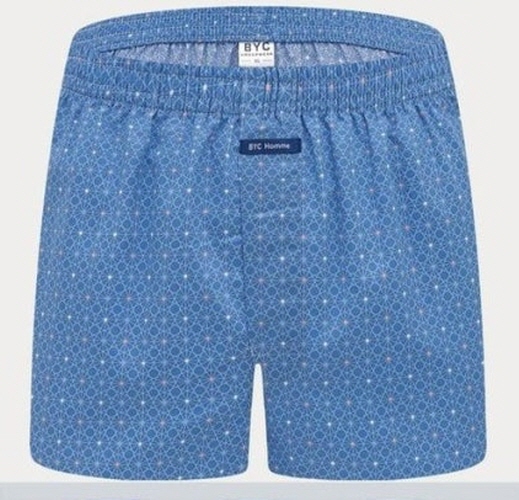
| Underwear | Product group combining two-tone, overlap, and Emo Pocket design | Wear comfort, design quality, differentiation |
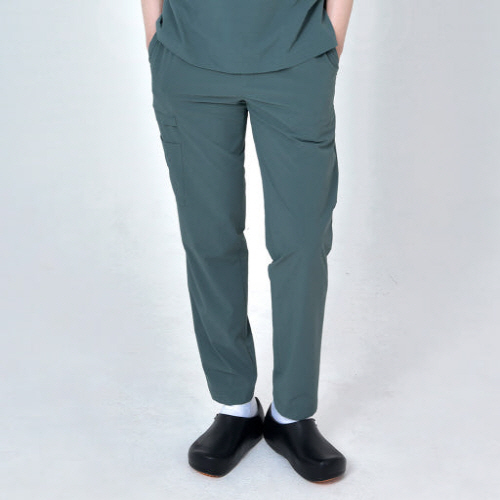
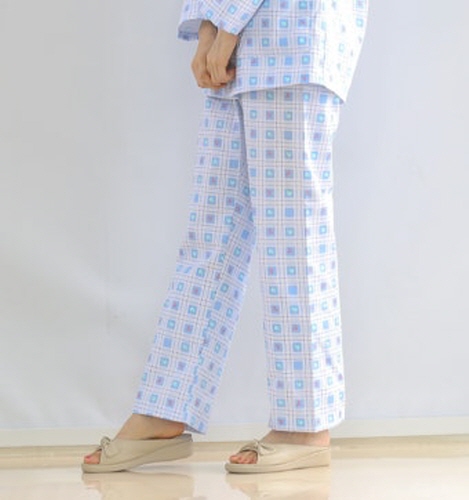
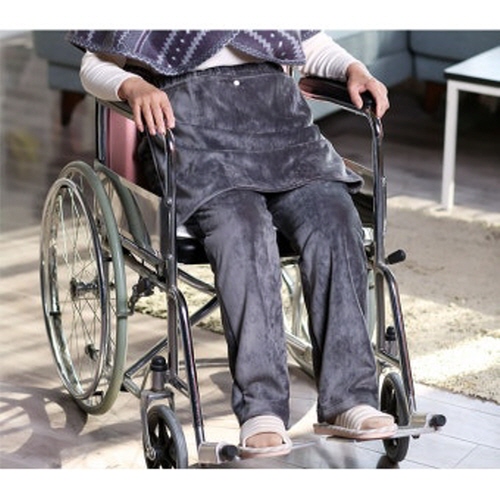
| Medical and Care Wear | Auxiliary closure applicable to patient wear, disabled-person clothing, and senior clothing | Accessibility, simplicity, care efficiency |
Formal Wear
Jeans
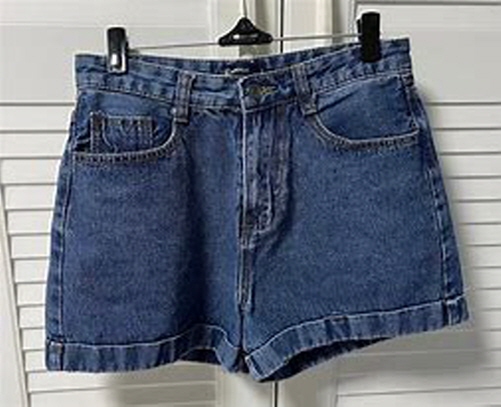
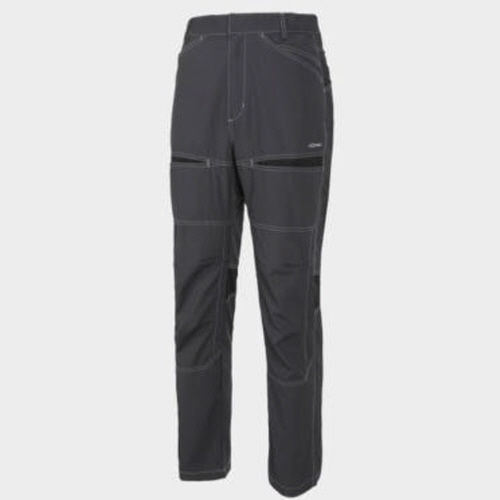
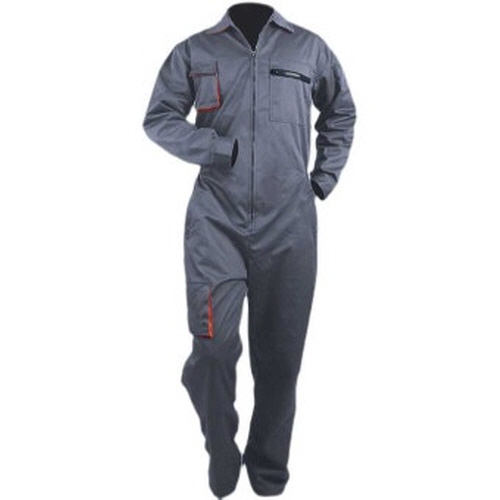
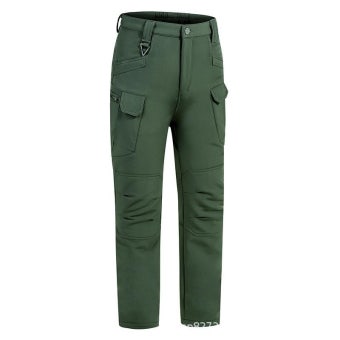
Workwear
Uniforms
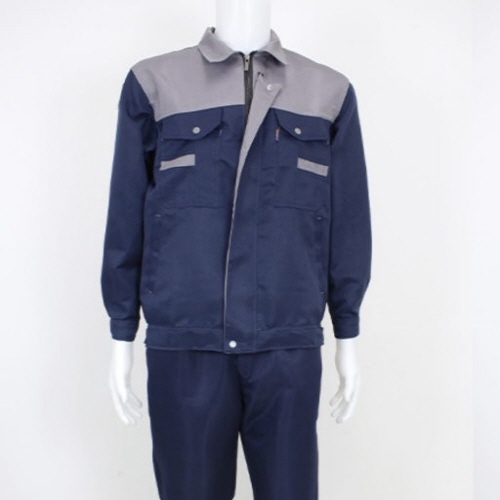
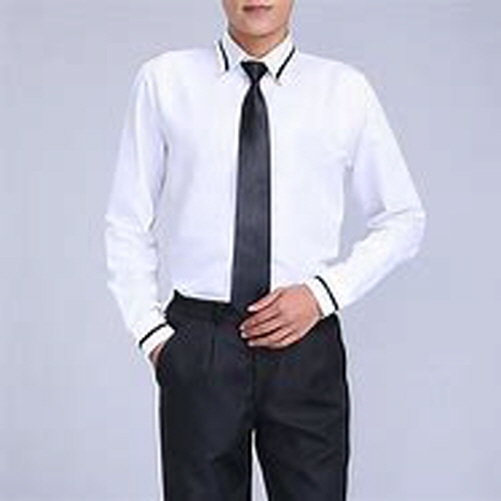
School Uniform
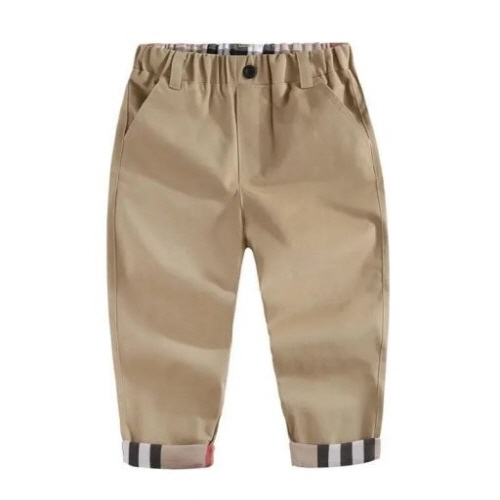
Kids’ Wear
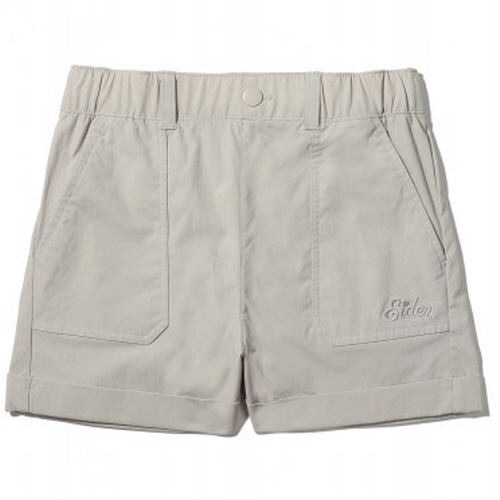
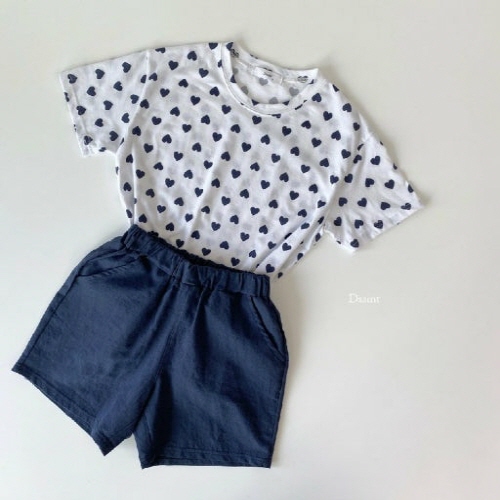
Outdoor and Sports
Underwear
Medical Wear
Manufacturing Review Factors
Pants Division products are organized according to actual sewing, parts, and inspection standards, enabling OEM and ODM production.
Materials
Review fabrics, magnets, reinforcing materials, lining, and adhesive or sewing-area materials according to product use.
Structure
Design the MaZip Unit position, fixing method, overlap width, and anti-separation structure during wear together.
Mass-Production Feasibility
Organize sewing processes, heat fusion, parts insertion, washability, ironing, inspection methods, and related factors according to actual factory standards.
FAQ
Repeated product explanations are summarized below in a simple question-and-answer format.
How is magnetic safety reviewed?
It is reviewed according to the use area and fabric thickness through product structure, housing, interlining, shielding, or reinforcement structure.
Are washing and ironing possible?
Washability, thermal stability, and repeated-use durability must be reviewed separately according to each product’s materials and part-fixing method.
Are repair and replacement difficult?
If the MaZip Unit is modularized, replacement and repair become easier, and manufacturer-specific service structures can be established.
Which clothing categories should be applied first?
It can first be applied to categories requiring functionality and differentiation, such as formal wear, jeans, workwear, uniforms, school uniforms, underwear, and medical wear.